
If your robot vacuum is experiencing weak suction, the most likely culprit is a clogged or dirty filter. This can prevent the vacuum from generating enough airflow to effectively pick up dirt and debris. The good news is that this is usually a quick and easy fix that doesn’t require any special tools.
⚙️ SmartVacFix™ Diagnostic Triage
Primary Symptom: Reduced suction power, poor cleaning performance
Tools & Parts Required: Phillips #1 screwdriver, replacement HEPA filter (if needed)
Repair vs. Replace: This can typically be fixed by cleaning the filter, so a replacement is usually not necessary.
Safety Warning: Power off the robot vacuum and remove it from the charging dock before performing any maintenance or repairs.
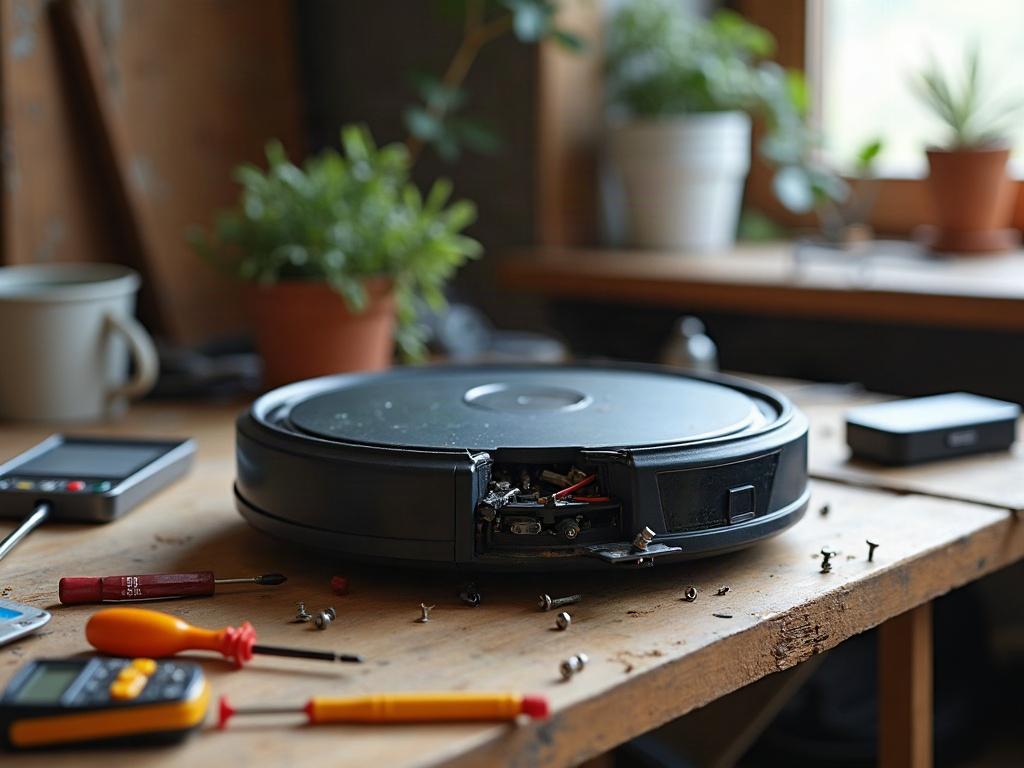
How to Clean a Robot Vacuum’s Filter for Better Suction
- Power off the robot vacuum and remove it from the charging dock.
- Locate the filter compartment, usually on the underside of the robot. This may require removing the bottom plate or dust bin.
- Carefully remove the filter and inspect it for any debris or clogs.
- Gently tap the filter against a hard surface to dislodge any trapped dirt. Avoid using water, as this can damage the filter.
- If the filter is excessively dirty or damaged, replace it with a new OEM filter.
- Once the filter is clean, reinstall it and replace the bottom plate or dust bin.
- Power on the robot and test the suction power.

Differences Between Robot Vacuum Brands and Models
The location and access to the filter can vary depending on the robot vacuum brand and model. For example, some Roomba models have the filter located in the dust bin, while Roborock and Shark vacuums often have the filter in a separate compartment. Additionally, the filter design and replacement process may differ, so it’s important to refer to your specific model’s user manual for detailed instructions.
When to Replace the Robot Vacuum’s Filter
As a general rule, you should replace the filter every 6-12 months, or whenever it appears excessively dirty or damaged. Continuing to use a dirty filter can reduce the vacuum’s suction power and cleaning performance over time.
Preventing Future Suction Issues
To maintain strong suction and optimal cleaning performance, be sure to regularly clean the filter, empty the dust bin, and remove any hair or debris that may be wrapped around the brush roll or other components. Keeping your robot vacuum well-maintained will help ensure it continues to operate at its best.
Frequently Asked Questions
Why is my robot vacuum’s suction so weak?
The most common reason for weak suction in a robot vacuum is a clogged or dirty filter. Over time, the filter can become blocked with dust, hair, and other debris, reducing the airflow and suction power.
How do I clean the filter on my robot vacuum?
To clean the filter, first power off the robot and remove it from the charging dock. Locate the filter compartment, usually on the underside of the vacuum, and carefully remove the filter. Gently tap the filter against a hard surface to dislodge any trapped dirt, then reinstall it.
Can I wash the filter on my robot vacuum?
It’s generally not recommended to wash the filter, as this can damage the delicate material and reduce its filtration effectiveness. Instead, simply tap the filter to remove debris, and replace it with a new OEM filter if it appears excessively dirty or damaged.
How often should I replace the filter on my robot vacuum?
Most manufacturers recommend replacing the filter every 6-12 months, or whenever it appears dirty or worn. Continuing to use a dirty filter can reduce the vacuum’s suction power and cleaning performance over time.
What causes a robot vacuum to lose suction?
In addition to a clogged filter, other common causes of suction loss in robot vacuums include a full dust bin, tangled brush rolls, and worn or damaged components like the fan or motor.
How can I improve the suction on my robot vacuum?
Regular maintenance, such as cleaning the filter, emptying the dust bin, and removing any hair or debris, can help maintain strong suction and cleaning performance. Replacing worn parts like the filter or brush roll may also be necessary over time.
What should I do if my robot vacuum’s suction is still weak after cleaning the filter?
If the suction remains weak after cleaning the filter, check for any other blockages or issues, such as a full dust bin, tangled brush roll, or damaged components. Consult your manufacturer’s troubleshooting guide or contact customer support for further assistance.